ACG
@acguanacaste.ac.cr
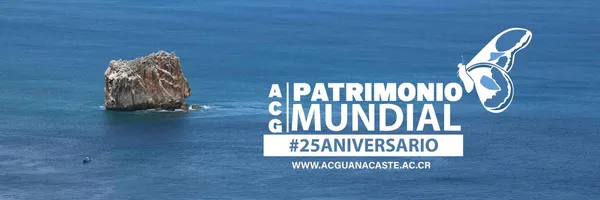
El Área de Conservación Guanacaste (ACG), Sitio Patrimonio de la Humanidad, comprende un solo bloque biogeográfico ininterrumpido de área silvestre protegida de 163,000 hectáreas, contiene juntos e integrados cuatro ecosistemas del trópico: marino/costero, bosque seco, bosque nuboso y bosque lluvioso y representa el único transecto conservado de este tipo en el nuevo mundo.
ACG's Company Logos

ACG's Brand Colors
Hex Code
Color name
RGB
HSL
CMYK
#3388FF
Dodger Blue
51, 136, 255
215, 100, 60
80, 47, 0, 0
#AAD3DF
Aqua Island
170, 211, 223
194, 45, 77
24, 5, 0, 13
#030401
Green Waterloo
3, 4, 1
80, 60, 1
25, 0, 75, 98
About ACG
The Área de Conservación Guanacaste (ACG) is a brand dedicated to the conservation and development of the Guanacaste Conservation Area, a vital natural treasure in Costa Rica. With a rich history and numerous international designations, including being a UNESCO World Heritage Site and a Ramsar Site, the ACG is committed to protecting the biodiversity and natural resources of the region.
The ACG offers a wide range of products and services to support its mission. The Biodesarrollo program focuses on ecotourism, biological education, research, and sector management. Visitors can explore various sectors within the ACG, such as Santa Rosa, Pailas, and Santa María, each offering unique experiences and activities.
The brand also operates research stations, including the Bosque Tropical Seco Research Center and the Nancite Biological Station, providing researchers with access to valuable resources and facilities.
Additionally, the ACG emphasizes environmental education, offering programs like the Programa de Educación Biológica (PEB) for students. The brand also actively engages in the protection and control of wildlife, fire management, and forest restoration.
Overall, the Área de Conservación Guanacaste is an integral brand working tirelessly to conserve biodiversity, promote sustainable practices, and educate the public about the importance of preserving natural resources.