Whale Shark & Oceanic Research Center
@wsorc.org
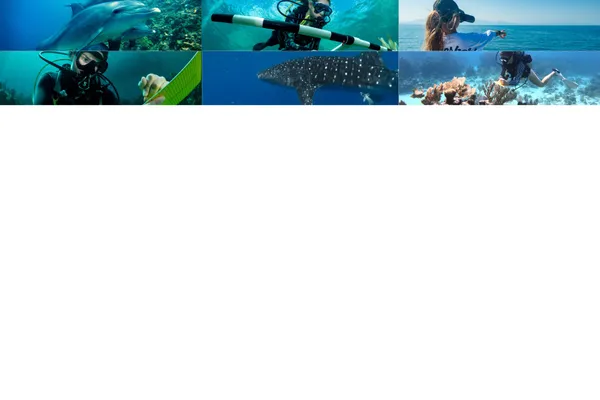
WSORC have been gathering data on the whale shark population since 1997, and have a comprehensive sightings database. We have been granted the only research permit to study whale sharks in the country by the Honduran Environmental Department. Our team established whale shark encounter guidelines to promote responsible whale shark encounters, and in 2008 these guidelines were passed through the Honduran parliament to protect whale sharks by law. Utila is one of the few places in the world that experiences whale shark sightings year-round, and is commonly known as a ‘hotspot’ for whale shark tourism. Although many stakeholders benefit from the presence of whale sharks on the island, little is known about the life cycle of this species, or the reasons why they frequent Utila in such numbers. In addition, whale sharks on Utila are threatened by the combined impacts of pollution, boat collisions and irresponsible whale shark tourism, which might affect their long term population dynamics. Alongside our whale shark research, we are deeply committed to the conservation and restoration of Utila’s coral reef ecosystems. Utila forms part of the Mesoamerican Barrier Reef—the second largest barrier reef system in the world—making it an area of exceptional ecological importance and biodiversity. However, coral reefs in the region have faced significant decline due to climate change, disease, and local environmental pressures. In response, we have established and actively maintain a coral nursery site, where we propagate key reef-building species. Once the corals reach optimal size and standards, they are carefully out-planted onto the reef around Utila, contributing to the recovery of these vital habitats. Through this integrated approach, our work aims not only to better understand and protect whale sharks, but also to restore the broader marine environment on which they depend.
Whale Shark & Oceanic Research Center's Company Logos

Whale Shark & Oceanic Research Center's Brand Colors
Hex Code
Color name
RGB
HSL
CMYK
#1F9497
Eastern Blue
31, 148, 151
182, 66, 36
79, 2, 0, 41
#7FCCF7
Malibu
127, 204, 247
202, 88, 73
49, 17, 0, 3
#084E82
Venice Blue
8, 78, 130
206, 88, 27
94, 40, 0, 49
About Whale Shark & Oceanic Research Center
Whale Shark and Oceanic Research Center (WSORC) is a renowned brand dedicated to the research and conservation of whale sharks and oceanic ecosystems. Established in 1997, WSORC is the only organization in Honduras with a research permit to study these gentle giants. Utila, where WSORC is based, is a year-round hotspot for whale shark sightings.
However, little is known about their life cycle and why they visit this area in such large numbers. WSORC's mission is to gather vital data on whale sharks and their environment to uncover these mysteries. WSORC offers various programs to achieve its goals.
Their research focuses on collecting data on whale shark individuals, oceanic conditions, and coral reefs to gain a better understanding of their dynamics. The organization also emphasizes outreach efforts, promoting responsible whale shark tourism, raising awareness of conservation issues, and educating local school children about the sea. WSORC invites volunteers to join their internships, providing them with the necessary skills to pursue careers in marine conservation.
Additionally, they offer ecotourism expeditions, which educate participants about the marine environment while actively contributing to conservation efforts. As an NGO, WSORC relies on the support of sponsors and donations to continue their vital work. They welcome contributions towards their research and education programs, and sponsors are recognized in WSORC's newsletter and on their website.
If you're passionate about marine conservation, WSORC provides an opportunity to be part of the global solution. Get in touch with them to learn how you can make a difference and support their important initiatives in protecting whale sharks and preserving the world's oceans